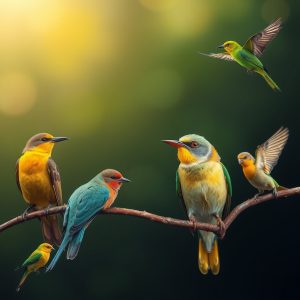
The Art of Songbird Training: Techniques to Unlock the Full Potential of Your Feathered Companion
For centuries, songbirds have captivated enthusiasts with their melodious tunes and vibrant personalities. In Indonesia, the culture of Kicau Mania runs deep, with birds like the Murai Batu, Lovebird, and Cucak Hijau being prized not just for their beauty but for their ability to sing and perform. However, owning a songbird is only the beginning—training them to reach their full potential requires patience, knowledge, and a deep understanding of their natural behaviors. Whether you’re a seasoned bird keeper or a newcomer to the world of avian companionship, mastering the art of songbird training can transform your feathered friend into a true virtuoso.
The Foundations of Songbird Training
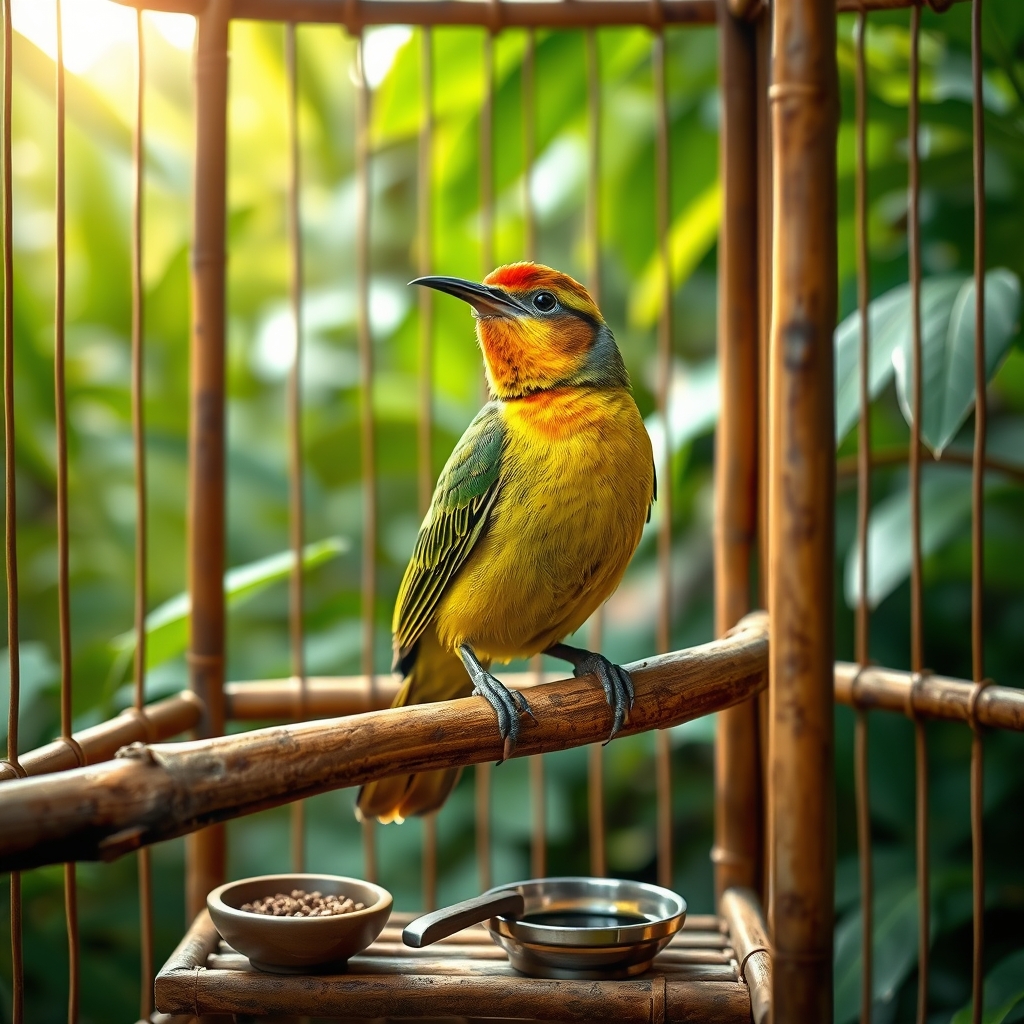
Training a songbird is not about forcing them to conform to human expectations but rather about nurturing their innate abilities. The process begins with creating a bond built on trust and mutual respect. Birds like the Kacer or Jalak Suren are highly intelligent and sensitive to their environment, so establishing a routine is crucial. Start by spending time near their sangkar burung (birdcage) daily, speaking softly and offering treats to associate your presence with positive experiences. Over time, this familiarity will make them more receptive to training.
Consistency is key when it comes to training. Songbirds thrive on routine, so set aside dedicated time each day for training sessions. Keep these sessions short—around 10 to 15 minutes—to prevent your bird from becoming overwhelmed or losing interest. Remember, the goal is to make training an enjoyable experience for both you and your bird. If your feathered companion seems stressed or disinterested, it’s a sign to take a step back and reassess your approach.
Understanding Your Bird’s Natural Instincts
Each species of songbird has unique instincts that influence their behavior and learning capabilities. For example, the Cendet (Black-winged Kite) is known for its sharp, piercing calls, while the Pleci (White-eye) is celebrated for its sweet, melodic songs. To train your bird effectively, you must first understand its natural tendencies. Observe how your bird interacts with its environment, what sounds it makes, and how it responds to stimuli. This insight will help you tailor your training methods to suit their specific needs.
For instance, birds like the Trucukan and Kolibri Ninja are highly energetic and require mental stimulation to prevent boredom. Incorporating toys, puzzles, or even simple tricks into their training can keep them engaged and eager to learn. On the other hand, more reserved species like the Burung Hantu (owl) or Elang Jawa (Javan Hawk-Eagle) may require a gentler approach, focusing on building trust before introducing more complex tasks.
Techniques to Enhance Your Bird’s Singing Abilities
One of the most rewarding aspects of songbird training is unlocking their vocal potential. Birds like the Murai Batu and Kenari (Canary) are renowned for their singing prowess, but even the most talented birds benefit from structured training. The first step is to expose your bird to high-quality recordings of their species’ songs. Play these recordings during training sessions, allowing your bird to listen and mimic the sounds. Over time, they will begin to incorporate these melodies into their own repertoire.
Another effective technique is social learning. If possible, allow your bird to interact with other well-trained songbirds. Birds are natural mimics, and hearing other birds sing can inspire them to refine their own songs. However, be cautious when introducing new birds, as some species can be territorial or aggressive. Always supervise interactions and ensure that the environment is safe and stress-free for all birds involved.
The Role of Diet in Songbird Training
A bird’s diet plays a significant role in its overall health and ability to learn. Providing a balanced and nutritious pakan burung (bird food) is essential for maintaining their energy levels and cognitive function. For songbirds, a diet rich in protein, vitamins, and minerals is particularly important. Foods like mealworms, fruits, and specialized bird pellets can support their vocal development and keep them in peak condition.
Hydration is equally important. Ensure your bird has access to fresh, clean water at all times. Dehydration can lead to lethargy and a decline in singing performance, so monitor their water intake closely. Additionally, consider incorporating natural supplements like honey or coconut water into their diet, as these can provide an extra boost of energy and enhance their vocal clarity.
Advanced Training: Beyond the Basics
Once your bird has mastered the fundamentals, you can begin to explore more advanced training techniques. For example, teaching your bird to perform tricks or respond to specific commands can deepen your bond and provide mental stimulation. Start with simple commands like “step up” or “turn around,” using treats as positive reinforcement. Gradually introduce more complex tasks, such as retrieving small objects or navigating obstacle courses.
For competitive bird keepers, training your bird for Kicau Mania contests can be a thrilling challenge. These competitions often require birds to perform specific songs or routines, so practicing with a focus on precision and timing is essential. Work with your bird daily, refining their skills and building their confidence. Remember, the key to success in these contests is not just talent but also the bond between you and your bird.
Training a songbird is a journey that requires dedication, patience, and a deep love for these remarkable creatures. Whether your goal is to enhance their singing abilities, teach them tricks, or simply strengthen your bond, the process is as rewarding as the results. As you embark on this journey, remember that every bird is unique, and what works for one may not work for another. Stay attuned to your bird’s needs, celebrate their progress, and enjoy the beautiful melodies and moments you’ll share along the way. The world of songbirds is full of wonder, and with the right approach, you and your feathered companion can create a harmonious symphony together.