
The Ultimate Guide to Caring for Your Songbird: Tips for Kicau Mania Enthusiasts
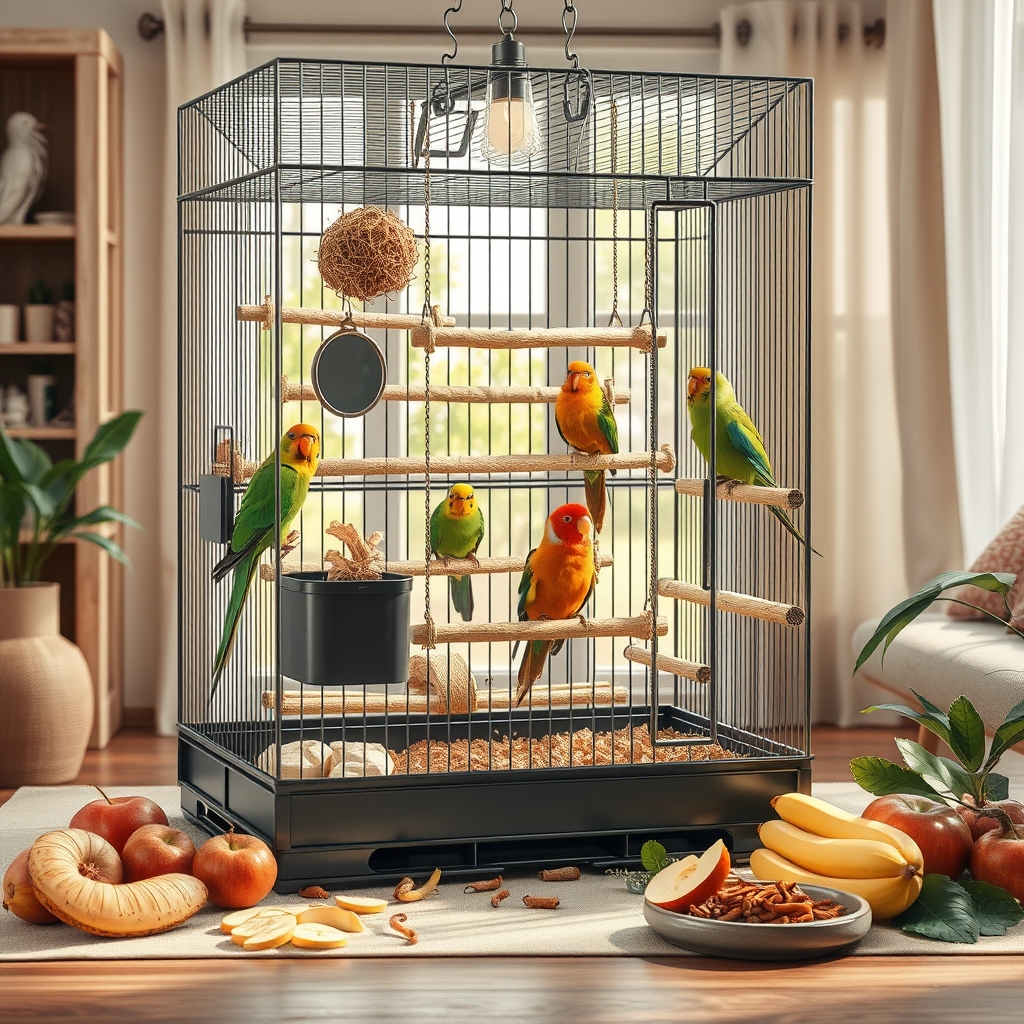
For many bird lovers, especially those in the Kicau Mania community, the joy of keeping songbirds like the Murai Batu, Lovebird, or Cucak Hijau goes beyond mere hobby—it’s a passion. These birds are not only prized for their melodious voices but also for their vibrant personalities and striking appearances. However, ensuring their health, happiness, and longevity requires more than just admiration. It demands dedication, knowledge, and a deep understanding of their unique needs.
The Importance of a Proper Sangkar Burung
A well-designed sangkar burung (bird cage) is the foundation of your songbird’s well-being. The cage should be spacious enough to allow your bird to move freely, stretch its wings, and engage in natural behaviors. For larger species like the Jalak Suren or Kacer, a cage with horizontal bars is ideal, as it encourages climbing and exercise. Smaller birds, such as the Pleci or Trucukan, thrive in cages with finer bar spacing to prevent escapes.
When selecting a cage, consider the material as well. Stainless steel or powder-coated metal cages are durable and easy to clean, reducing the risk of bacterial growth. Avoid cages with sharp edges or toxic coatings, as these can harm your bird. Additionally, the cage should be placed in a location that offers a balance of natural light and shade, away from drafts, direct sunlight, or kitchen fumes, which can be harmful.
Essential Cage Accessories
Beyond the cage itself, accessories play a crucial role in your bird’s daily life. Perches of varying thicknesses help maintain foot health, while swings and ladders provide mental stimulation. For species like the Kenari or Perkutut Bangkok, which are known for their singing prowess, consider adding a small mirror or a companion bird to encourage vocalization. However, be cautious with mirrors, as some birds may become overly attached or aggressive toward their reflection.
Nesting boxes are another essential accessory, particularly for breeding pairs. Species like the Lovebird or Cendet require secure, private spaces to lay eggs and raise their young. Ensure the nesting box is appropriately sized for your bird and lined with soft, natural materials like coconut fiber or untreated wood shavings.
The Role of Pakan Burung in Songbird Health
Diet is arguably the most critical factor in maintaining a healthy songbird. A balanced pakan burung (bird food) regimen should include a mix of seeds, pellets, fresh fruits, vegetables, and protein sources. For example, the Murai Batu thrives on a diet rich in insects, such as mealworms or crickets, supplemented with fruits like papaya or banana. On the other hand, the Kolibri Ninja, a tiny but energetic bird, requires a high-energy diet of nectar and small insects to fuel its rapid metabolism.
Seeds are a staple for many songbirds, but they should not be the sole component of their diet. Over-reliance on seeds can lead to nutritional deficiencies, particularly in vitamin A and calcium. Pelleted diets, formulated specifically for songbirds, provide a more balanced nutrient profile and are an excellent alternative or supplement to seeds. Fresh foods like leafy greens, carrots, and apples should also be offered daily to ensure your bird receives essential vitamins and minerals.
Hydration and Supplements
Clean, fresh water is non-negotiable for any bird. Water should be changed daily to prevent bacterial growth, and the container should be scrubbed regularly to remove any residue. For birds that enjoy bathing, such as the Cucak Hijau, a shallow dish of water can be provided a few times a week to encourage preening and hydration.
Supplements can also play a role in your bird’s health, particularly during molting or breeding seasons. Calcium supplements, for instance, are vital for female birds to prevent egg-binding, a potentially life-threatening condition. However, supplements should be used judiciously and under the guidance of an avian veterinarian to avoid over-supplementation, which can be just as harmful as deficiencies.
Understanding Your Bird’s Behavior and Needs
Each songbird species has its own unique behaviors and requirements. The Elang Jawa, for example, is a majestic but highly territorial bird that requires ample space and minimal handling. In contrast, the Kakaktua Maluku is highly social and thrives on interaction with its human caretakers. Observing your bird’s behavior is key to identifying its needs and ensuring its well-being.
Stress is a common issue among captive birds and can manifest in various ways, such as feather plucking, excessive screaming, or loss of appetite. To minimize stress, provide your bird with a consistent routine, plenty of mental stimulation, and a quiet, secure environment. For highly intelligent species like the Burung Macaw or Cendrawasih, puzzle toys and foraging activities can help keep their minds engaged and prevent boredom.
Breeding and Socialization
Breeding songbirds can be a rewarding experience, but it requires careful planning and preparation. Species like the Merpati Balap or Perkutut Bangkok are often bred for their racing or singing abilities, and success depends on selecting healthy, compatible pairs. Before attempting to breed, ensure you have the necessary knowledge and resources to care for the parents and their offspring.
Socialization is another critical aspect of bird care. While some birds, like the Burung Hantu, are solitary by nature, others, such as the Lovebird, thrive in pairs or small groups. Introducing a new bird to an existing flock should be done gradually and under close supervision to prevent aggression or stress. Even solitary birds benefit from regular interaction with their human caretakers, as this helps build trust and strengthens the bond between bird and owner.
Caring for a songbird is a journey filled with challenges and rewards. Whether you’re a seasoned Kicau Mania enthusiast or a newcomer to the world of avian companionship, the key to success lies in education, patience, and a genuine love for these remarkable creatures. By providing a safe, stimulating environment, a nutritious diet, and plenty of attention, you can ensure your feathered friend lives a long, happy, and harmonious life by your side.